
18 Jan Peace amid the Chaos
How to Find a Little Daily Peace Amid the Chaos of Politics
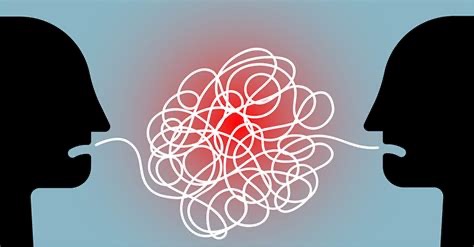
Politics today feels less like a civic process and more like a 24 hour weather system. Storm warnings buzz in our pockets. Headlines crack like thunder. Even silence seems charged. For many of us, the challenge is not about choosing sides, but learning how to stay sane while the noise rages on.
Finding daily peace does not require disengaging from the world or pretending not to care. It requires learning how to care without letting the chaos rent space in your nervous system.
Start by shrinking the lens.
National and global politics are vast, abstract, and largely beyond individual control. When we fixate only on the big picture, our minds spin in helpless circles. Peace often returns when we refocus on what is close and tangible. Your neighborhood. Your work. The people you can actually influence through kindness, competence, or example. Civic responsibility begins locally, and so does emotional balance.
Be intentional with information, not reactive to it.
Endless scrolling creates the illusion of being informed while quietly draining clarity and calm. Consider setting specific times to check the news rather than letting it drip into every spare moment. Quality over quantity matters. One thoughtful article can educate more than a hundred enraging soundbites. Peace grows when you choose information deliberately instead of absorbing it passively.
Remember that outrage is a product.
Modern political media is designed to provoke. Anger keeps attention locked in place, eyes wide, nervous systems activated. When you feel your pulse rise while reading or watching, pause and ask: “Who benefits from me feeling this way right now?” That simple question restores a sense of agency. You are no longer just a consumer of outrage, but an observer of it.
Anchor yourself in the physical world.
Politics lives mostly in screens and words. Peace often lives in the body. A walk, a stretch, cooking a meal, tending a plant, or simply breathing slowly for two minutes can recalibrate your system. These acts remind your body that, in this moment, you are safe. From that grounded place, political thought becomes clearer and less consuming.
Practice holding complexity without carrying it.
Not every issue must be solved in your head today. It is possible to acknowledge injustice, disagreement, or uncertainty without mentally rehearsing it all day long. You can say, “This matters,” and also say, “I will not let this dominate every hour of my life.” Peace comes from allowing complexity to exist without demanding immediate resolution.
Reconnect with values rather than arguments.
Arguments harden positions. Values soften them. Instead of replaying debates, reflect on the principles that guide you: fairness, compassion, freedom, responsibility, dignity. When you live your values in small daily choices, politics becomes less about constant reaction and more about quiet integrity.
Finally, remember that peace is not withdrawal. It is resilience. A calm mind is not indifferent, it is effective. History has never been changed by people who were perpetually exhausted and enraged. It has been shaped by those who could pause, reflect, and act with clarity.
In a noisy political world, daily peace is an act of self respect. It is choosing to remain human in a system that often rewards the opposite. And even a little peace, practiced daily, can become a powerful form of quiet resistance.