
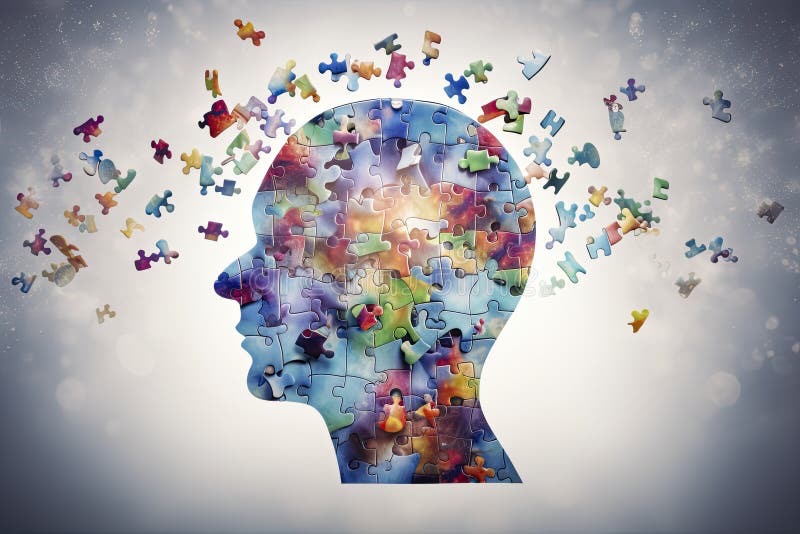
27 Feb ADHD & How It Changes Things
ADHD does not politely knock before entering your life. It changes how time feels, how focus behaves, and how emotions arrive. Once you realize it is there, you also realize it has been there all along, quietly shaping choices, relationships, and self-perception. The change is not sudden. It is cumulative.
One of the first things ADHD changes is the experience of time. The future feels abstract, the present feels urgent, and the past can blur into a fog of half-remembered intentions. Deadlines do not register as distant markers; they arrive all at once, fully formed, demanding immediate attention. This can look like procrastination from the outside, but inside it feels like waiting for the moment when action finally becomes possible.
Focus changes too. ADHD does not eliminate focus, it redistributes it. Attention becomes interest-based rather than priority-based. When something sparks curiosity, concentration can become intense and sustained. When it does not, starting feels like pushing against invisible resistance. This shift forces a rethinking of productivity. Traditional systems built on linear effort often fail, and new ones, built on momentum and engagement, become necessary.
Emotions also arrive differently. ADHD can amplify reactions, both joy and frustration. Small setbacks can feel overwhelming, while small successes can feel electrifying. Emotional regulation becomes a skill that must be learned deliberately rather than assumed. Over time, this emotional intensity can become a source of empathy and depth, but only after it is understood rather than judged.
ADHD changes relationships as well. Forgetfulness, distraction, or inconsistent energy can be misread as indifference. Clear communication becomes essential. So does self-advocacy. Explaining how your mind works is not an excuse, it is a bridge. When others understand the internal landscape, expectations can shift from frustration to cooperation.
Perhaps the most significant change ADHD brings is internal. It reshapes identity. Many people grow up believing they are unreliable, unmotivated, or somehow failing at adulthood. A diagnosis or self-recognition can reframe an entire life story. What once looked like personal failure begins to look like a mismatch between brain wiring and external demands.
With understanding, ADHD changes from a constant obstacle into a condition that requires adaptation. Structure becomes supportive rather than restrictive. Tools become allies rather than crutches. Compassion replaces criticism. Life may still feel demanding, but it becomes navigable.
ADHD changes things, yes, but not only in limiting ways. It alters perspective, creativity, and resilience. It forces a more intentional way of living. When acknowledged and supported, it does not shrink a life. It reshapes it, often into something more honest, more flexible, and more human.