
26 May Loving them through Goodbye
Understanding Grief, Attachment, and the Tender Work of Letting Go
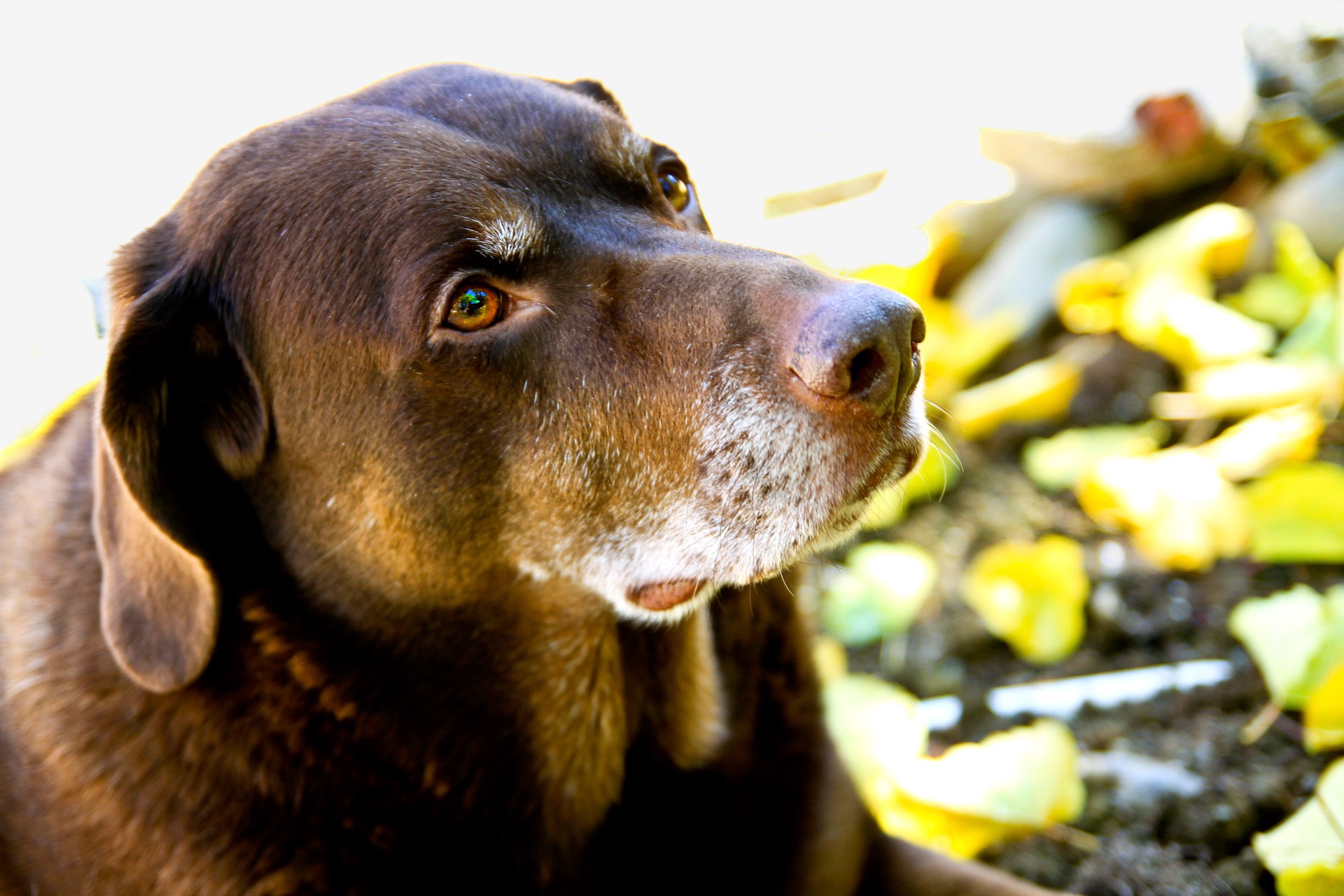
Having had dogs for most of my life, I know both the profound joy of loving them and the heartbreak that comes with knowing we will likely outlive them.
I also know the particular fear and ambiguity that can emerge when a beloved dog begins to age, becomes ill, or enters that uncertain season where we find ourselves quietly watching, wondering, and asking difficult questions we do not want to have to ask.
Are they still okay?
Are they in pain?
Am I seeing what is really happening?
Am I holding on too tightly?
Am I letting go too soon?
There is a particular kind of anticipatory grief that can settle in during this time.
It often brings a quiet ache, an underlying vigilance, and the painful awareness that change is coming even when we do not yet know what that change will require of us.
Over the years, both personally and professionally, I have come to understand that the grief connected to our animals can feel devastating in ways that are difficult to explain to those who have not experienced it.
Sometimes the intensity of the grief surprises people.
They may wonder:
- Why does this hurt this much?
- Why does this feel harder than some human losses I have experienced?
- Why does this feel like it is touching something much older and deeper?
I often remind people that the death or anticipated loss of a beloved pet is not “just” about the present moment.
Because our pets often become profound attachment figures, their decline or death can activate earlier experiences of loss, separation, abandonment, helplessness, or unresolved grief.
A current loss often awakens old loss.
I have seen this repeatedly in my work and have experienced pieces of this myself.
Grief does not exist in isolation.
When we lose an important attachment bond, our nervous system often revisits earlier experiences where connection was interrupted, safety was lost, or goodbyes felt incomplete.
For many of us, the grief we feel is not only about what is happening now.
It is also about what this loss awakens.
Why Pet Loss Can Feel So Profound
In both my clinical work and my own life, I have come to deeply appreciate that the relationship we have with our animals is often different from most human relationships.
Our pets offer a kind of presence that is uniquely regulating.
They are often simply there.
Without judgment.
Without expectation.
Without emotional complexity.
They become part of the rhythm of our lives.
For many of us, they quietly carry us through seasons of:
- Loneliness
- Illness
- Trauma recovery
- Life transitions
- Grief
- Emotional overwhelm
They become woven into our nervous system’s experience of safety and connection.
This is why their loss can feel so destabilizing.
It is not simply sadness.
It is the disruption of a deeply regulating attachment bond.
The Privilege and Pain of Outliving Our Pets
One of the hardest truths I have had to hold, as someone who has loved dogs throughout my life, is that loving them means accepting that in most cases we will outlive them.
This is the heartbreak woven into the relationship from the beginning.
And yet I have come to believe there is something profoundly tender in this.
To outlive them is not simply to lose them.
It is to be entrusted with one of love’s most intimate responsibilities.
To become their guardian not only in life, but through the end of life.
I believe there is something deeply precious about being the one who gets to:
- Comfort them when they are vulnerable
- Advocate for their dignity and comfort
- Ease suffering when difficult decisions arise
- Offer calm presence when their world is changing
- Walk with them all the way to the threshold
This role asks so much of us.
It asks courage.
It asks tenderness.
It asks us to place their comfort above our understandable wish to hold on.
And I know firsthand how painful and ambiguous that can feel.
The questioning.
The second-guessing.
The fear of getting it wrong.
But I have also come to understand that this final season of caregiving is often one of the purest expressions of love we will ever offer.
Preparing for the End of Life of an Aging or Ill Pet
One of the kindest things I have learned we can do—for both ourselves and our animals—is prepare.
Preparing does not mean giving up.
To me, it means making room for intentional presence, thoughtful decisions, and compassionate love.
When we prepare emotionally and practically, we reduce the likelihood of making decisions from panic, denial, or fear.
Preparation helps steady us during one of the most uncertain seasons we may face with a beloved animal.
Uncertainty is often what feels most destabilizing.
The not knowing.
The watching.
The wondering.
The second-guessing.
The constant internal questions:
Is this the beginning of the end?
Are they uncomfortable?
Am I seeing clearly?
What if I wait too long?
What if I act too soon?
I have found that information can help steady us in these moments.
Information does not remove the heartbreak.
It does not make difficult decisions easy.
But it often reduces fear.
It helps ground us in reality when emotion, anticipatory grief, and uncertainty make it hard to think clearly.
This is why I encourage people to have honest conversations early with their veterinarian about:
- Quality of life indicators
- Pain and comfort management
- What signs suggest suffering
- What changes to watch for
- End-of-life options
- What the process may actually look like
Clarity helps us make decisions from love rather than from panic.
Information gives us something solid to hold onto when so much feels uncertain.
One of the kindest things we can do is begin gently acknowledging reality.
To ask ourselves:
- What am I noticing that tells me change is happening?
- What am I afraid to face?
- What support will I need?
- What would a loving goodbye look like?
Allowing anticipatory grief is part of healthy attachment.
Beginning to grieve before the loss does not mean we are giving up.
It means our hearts are beginning to prepare for transition.
I also encourage people not to wait for “the last day” to become intentional.
Create meaningful moments now:
- Extra quiet time together
- Favorite rituals
- Photos and videos
- Speaking gratitude aloud
- Offering comfort through touch and presence
Often the greatest gift we can offer is calm, grounded presence.
Animals know when they are deeply loved.
Understanding the Grief Process
In both my professional work and my own experience of loving and losing animals, I have found it helpful to remember that grief often moves through recognizable stages.
These stages can help us understand what we are experiencing.
At the same time, it is important to remember:
Grief is not linear.
We do not move neatly from one stage to the next.
We move back and forth.
We revisit stages.
We may experience several at once.
There is no correct timeline.
There is only your experience of moving through loss in the way your heart and nervous system need to.
Shock
Shock is often the nervous system’s immediate protective response.
We may feel numb, disconnected, disoriented, or strangely calm.
Sometimes there is a surreal quality to this stage.
A feeling of:
This cannot be real.
Shock helps buffer us from emotional overwhelm.
Denial
Denial is often the mind’s way of pacing reality.
We may catch ourselves expecting to hear their paws, see them in their usual place, or instinctively reach for the leash.
This reflects how deeply their presence had become woven into the rhythms of daily life.
Anger
Anger may be directed toward:
- Ourselves
- Illness
- Time
- Circumstances
- A veterinarian
- The unfairness of how short their lives are
We may replay decisions and ask:
Did I do enough?
Did I wait too long?
Did I act too soon?
This is often grief searching for certainty and control in a moment that feels profoundly helpless.
Depression / Deep Sadness
This is often where the full weight of the absence lands.
We may experience:
- Tearfulness
- Fatigue
- Emptiness
- Difficulty concentrating
- Loss of motivation
- A profound quiet in the home
This is not weakness.
It is the emotional reality of attachment loss.
Trying Out / Reorganization
At some point, we begin testing life around the loss.
This may include:
- Creating new routines
- Packing away belongings
- Talking about memories
- Creating rituals of remembrance
- Slowly re-engaging with life
This is not moving on.
It is learning how to live differently while carrying love forward.
Acceptance
Acceptance does not mean the loss no longer hurts.
It means the reality of the loss becomes integrated.
The love remains.
The ache softens.
The relationship shifts from physical presence to internal connection and memory.
This is often where we begin to recognize that grief is not asking us to let go of love.
It is asking us to find a new way to hold it.
A Final Truth
Through years of loving dogs, and through sitting with many people grieving beloved animals, I have come to believe this:
The depth of our grief reflects the depth of our attachment.
If this loss feels enormous, it is because the relationship mattered enormously.
Love this real leaves an imprint.
And while grief changes shape over time, the bond itself does not disappear.
It becomes part of us.
And when we have loved them well—especially through the uncertainty, ambiguity, and tenderness of their final chapter—we carry the quiet knowing that they were not alone.
They were loved fully.
They were carried all the way through.